

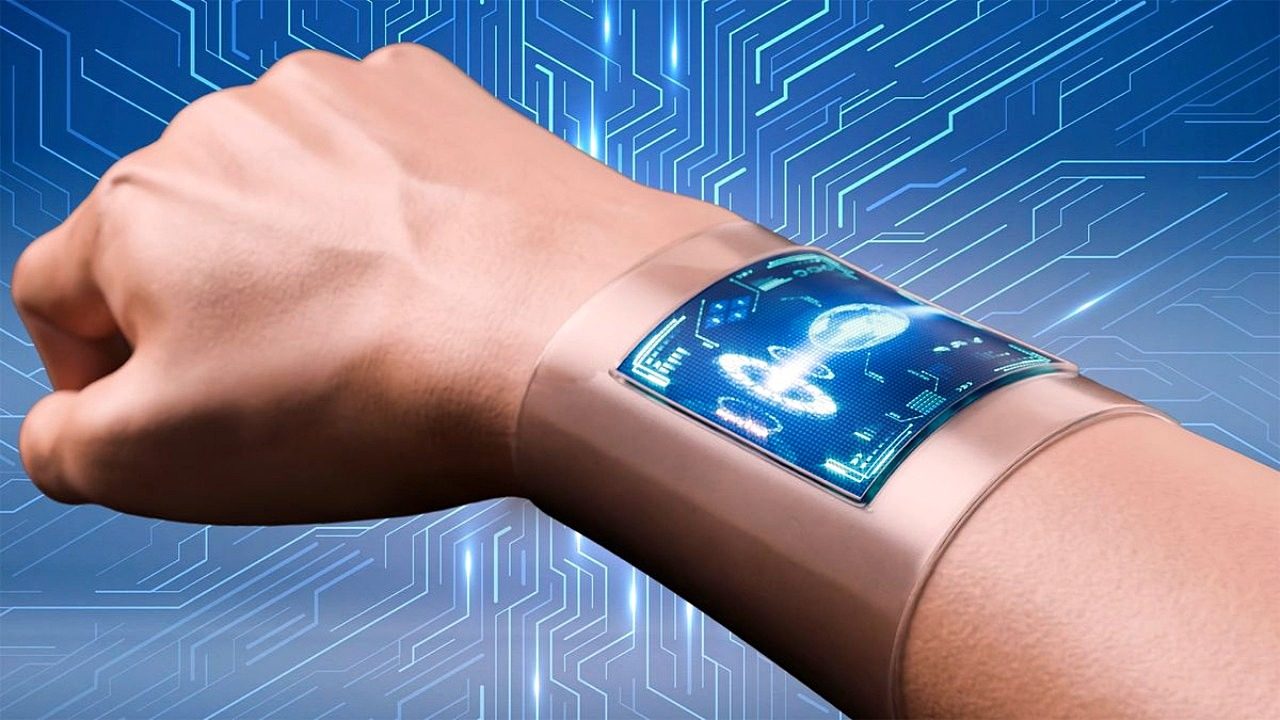
The wearable device market has exploded over the past decade. From fitness trackers to medical-grade monitors, smart glasses to continuous glucose sensors, the devices strapped to our bodies have become extraordinarily sophisticated – and increasingly compact. Behind every polished housing and precisely fitted band lies a quiet revolution in plastic manufacturing that makes it all possible.
The Challenge of Miniaturization
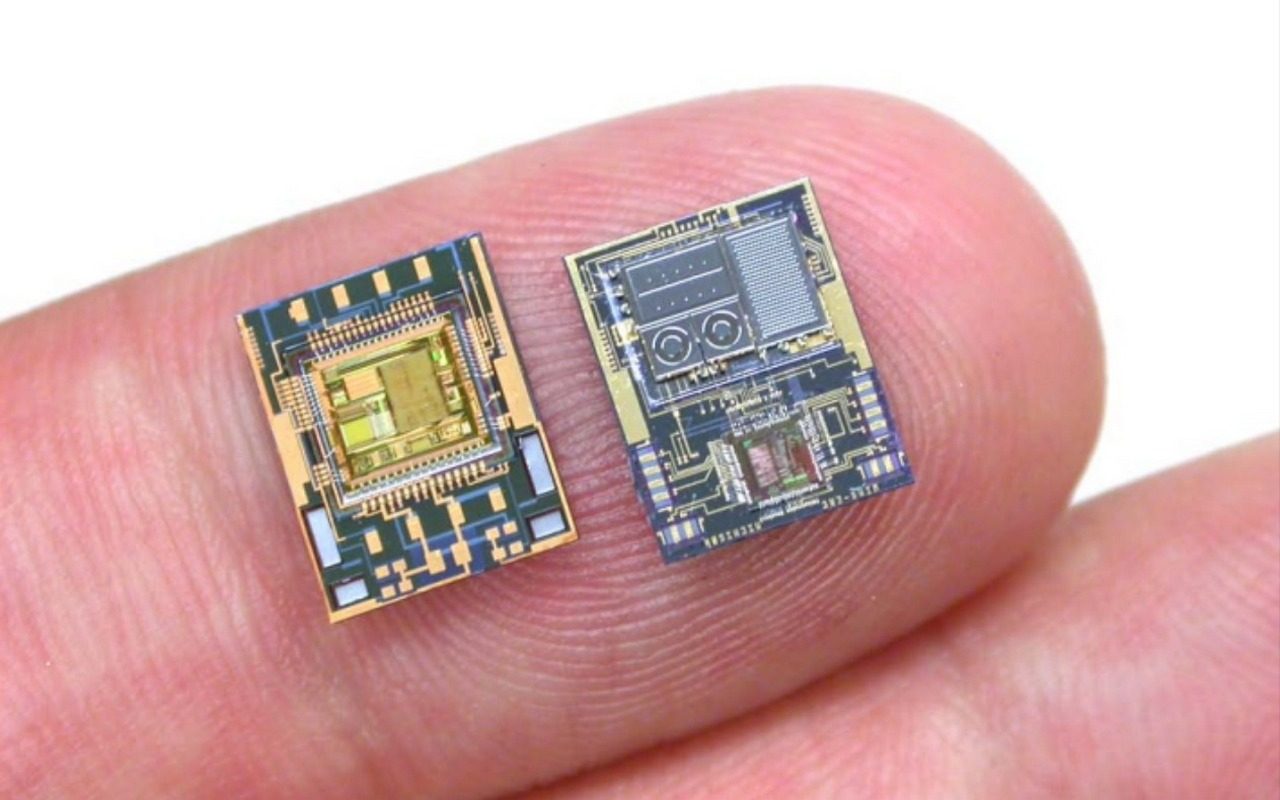
Modern wearables demand near-impossible tolerances. A fitness band housing must be thin enough to sit comfortably on the wrist, rigid enough to protect electronics from daily impacts, and flexible enough to accommodate snap-fit assembly – all while hitting a price point accessible to consumers. Achieving this balance requires manufacturing precision that simply did not exist commercially twenty years ago.
Traditional plastic manufacturing could produce tough, uniform parts at scale. But wearable design pushed engineers toward geometries – curved surfaces, thin walls, integrated clip mechanisms – that standard tooling struggled to reproduce consistently. The industry needed a new approach.
How Injection Molding Has Elevated Wearable Production
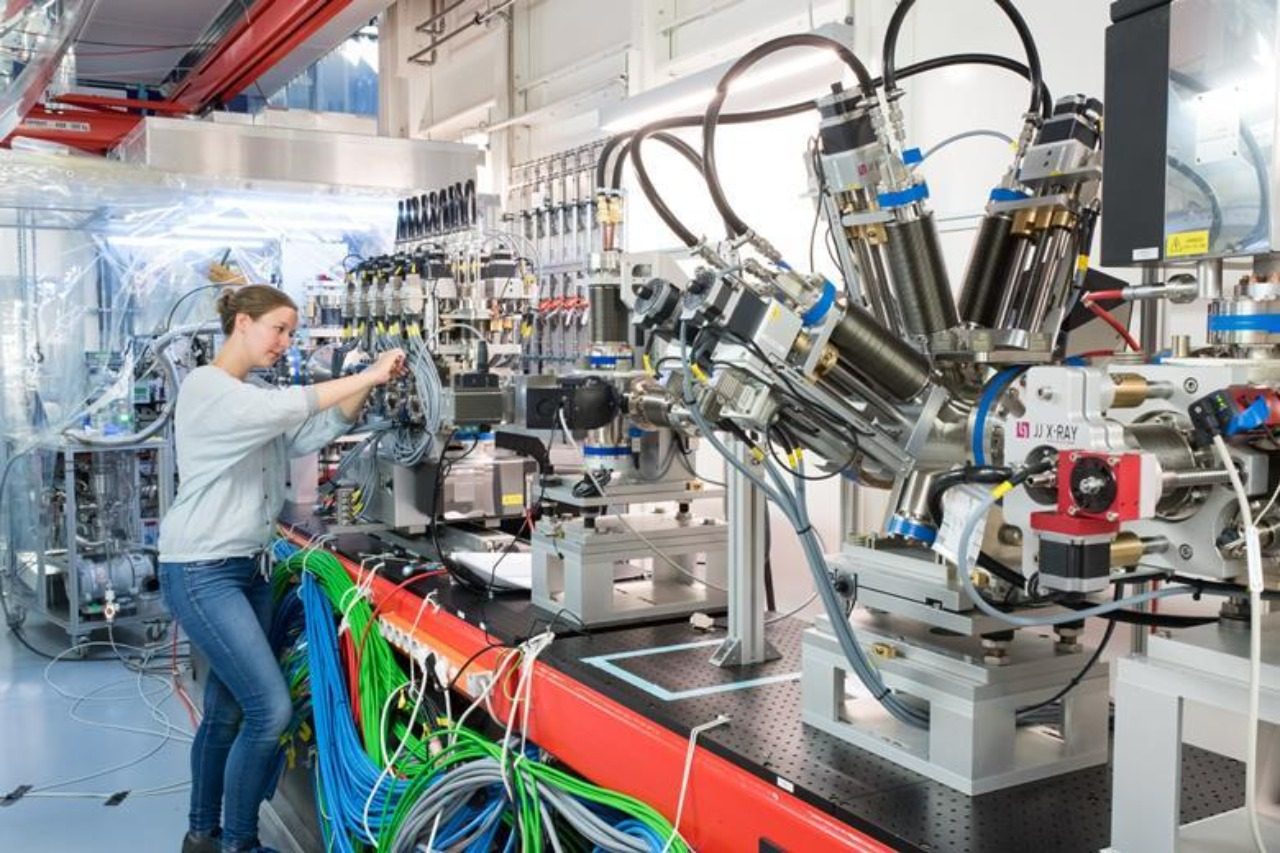
Injection molding has always been the backbone of consumer plastics. What changed is the sophistication of the process. Today’s tooling incorporates conformal cooling channels milled by multi-axis CNC, allowing mold cavities to cool faster and more evenly. The result: cycle times drop, warping decreases, and dimensional accuracy improves across production runs that number in the millions.
More critically, modern injection molding handles materials that older equipment could not. High-performance thermoplastics like PEEK, liquid crystal polymer (LCP), and glass-filled nylon bring strength-to-weight ratios that rival metals. These materials let wearable designers reduce wall thickness without sacrificing structural integrity – a meaningful win when every fraction of a millimeter affects comfort over an eight-hour wearing session.
Multi-shot and overmolding processes have also matured dramatically. A single pass through an automated production cell can now produce a rigid inner chassis overmolded with a soft-touch TPU exterior – the kind of tactile finish consumers associate with premium products – without any secondary assembly step.
Integrated Manufacturing: From Part to Finished Assembly

The most sophisticated shift in wearable production is happening at the system level. Brands increasingly demand that their contract manufacturers function as complete development partners rather than suppliers of individual components. They want circuit board design, plastic housing tooling, sensor integration, and packaging to operate under a single coordinated program.
This is where integrated manufacturing delivers outsized value. When the same engineering team owns the mechanical design, the tooling, and the final assembly process, tolerances can be optimized across the full system rather than part by part. A housing rib that accommodates a PCB flexion zone, a clip geometry that offloads stress from a battery connector during impact – these details emerge from conversations that only happen naturally when design and manufacturing share a project.
For wearable device brands, integrated manufacturing also compresses supply chain risk. Rather than coordinating logistics across four separate suppliers in two countries, a program manager works with a single point of contact. Quality deviations surface faster. Root cause analysis is faster still, because the team that manufactured the part also designed the tool that made it.
The Role of Prototype Injection Molding in Faster Development

Speed to market defines competitive advantage in the wearable category. A company that brings a new heart-rate sensing platform to retail three months ahead of a rival captures early adopters and retailer shelf space that is difficult to win back later.
This time pressure has elevated prototype injection molding from an optional step to a core part of product development strategy. Soft tooling – aluminum molds machined at a fraction of the lead time and cost of production steel – allows engineering teams to produce functional plastic parts in material families close to the final specification within days rather than weeks. Design changes that would once have halted a program for months can be iterated and retested within a single product-development sprint.
Equally important, prototype injection molding generates parts that behave like production components. Snap-fit assemblies click at the intended force. Sealing grooves compress correctly against gaskets. Mechanical testing data – drop resistance, IP-rated water ingress – reflects the final product far more accurately than parts machined from solid stock. Decisions made on this data hold up when production begins, reducing costly last-minute engineering changes.
Material Innovation Driving the Next Generation

Plastic technology itself continues to advance in ways that expand what wearables can do. Conductive polymers allow electrical traces to be molded directly into structural components, eliminating wire harnesses in space-constrained designs. Bio-compatible grades of silicone and TPU, approved for extended skin contact, expand possibilities for medical wearables without forcing manufacturers into expensive metal or ceramic alternatives.
Sustainability is also reshaping material selection. Bio-based thermoplastics derived from castor oil or corn starch now meet the mechanical specifications required for wearable housings while reducing lifecycle carbon footprints. Major brands increasingly require their contract manufacturers to offer these options, and injection molding facilities with the equipment and expertise to process them hold a clear competitive advantage.
What This Means for Product Teams
The practical implication for any team developing a wearable device is this: manufacturing expertise is now a product design input, not an afterthought. The best product outcomes come from engaging a manufacturing partner during conceptual design – before tooling decisions are locked, before the bill of materials is finalized, before the industrial design is frozen.
Plastic manufacturing technology has matured to the point where it can enable almost any geometry, almost any material, almost any surface finish. The constraint is no longer what is technically achievable. It’s whether the design team knows, early enough, what is achievable – and at what cost.
That conversation starts with the right manufacturing partner, and it starts earlier than most product teams expect.