


A manufacturing business can turn a smart idea into a product people trust, reorder, and recommend. That shift does not happen through enthusiasm alone. It happens through planning that links the market need to real production constraints, like material availability, process capability, staffing, lead times, and quality targets. Beyonics Manufacturing often hears founders ask, “When starting a Manufacturing Business?” because the early choices shape everything that follows.
The goal is simple to say and hard to execute: build a repeatable system that makes consistent parts at a predictable cost, then scale it without losing control. That requires decisions that feel unglamorous on day one, like tolerance limits, supplier qualification, test coverage, packaging specs, and documentation habits. Get those right early, and production becomes a disciplined rhythm instead of a constant scramble.
Start With a Product Definition That Production Can Support

A strong product concept needs more than a feature list. It needs a clear “job to be done,” an ideal customer profile, and proof that customers will pay at a price that leaves a margin after real manufacturing costs. Early planning should connect market expectations to measurable requirements, like target unit cost, durability, expected lifecycle, safety needs, and cosmetic standards. A premium finish, for example, forces different tooling choices, inspection rules, and packaging protections than a utilitarian product.
Before committing to a full design, define success metrics that matter on the factory floor. Specify expected volumes by month, acceptable scrap rate, and a realistic ramp curve. A plan that assumes perfect yields from day one sets the team up for disappointment and cash surprises. Planning with conservative assumptions keeps the operation solvent while learning happens in real time.
Treat competitors as a source of production insight, not just marketing inspiration. Tear down comparable products and map what the competition likely optimized: part count, assembly time, fastener strategy, material selection, and shipping density. Those details signal where costs hide, and where a new entrant can win through simplicity and consistency.
Design for Manufacturability Before Spending Money on Scale
Many manufacturing startups fail in the gap between “it works” and “it builds well.” Design for manufacturability starts by reducing complexity. Fewer parts, fewer unique materials, and fewer custom operations shrink risk across procurement, assembly, and quality. Each new part adds a supplier, a lead time, an inspection step, and a new failure mode. A disciplined part count often beats a clever mechanism.
Lock down a cost bill of materials early and keep it honest. Include packaging, labels, testing time, consumables, scrap, and freight. Then match the design to a target cost, not the other way around. If the product needs tight tolerances, confirm that the planned process can hold them at scale. If the product needs cosmetic perfection, define what “acceptable” means in writing, with visual examples, so inspectors and suppliers judge defects the same way.
Prototype in stages with clear learning goals. Early prototypes should answer performance questions, then shift toward manufacturability questions like assembly sequence, tool access, fastener torque, adhesive cure time, and test fixture needs. Each round should produce updated drawings, revision control, and notes that a production team can use. A prototype that lives only in someone’s head does not become a reliable production line.
Build a Supply Chain Plan That Matches Your Risk Tolerance
Supply chain planning should begin with supplier selection criteria, not pricing alone. Lead time reliability, communication speed, quality systems, and capacity flexibility matter as much as piece price. A cheap part with inconsistent delivery can stall production and burn cash through expediting. Early-stage manufacturing needs suppliers who respond quickly and fix problems fast.
Develop dual-source options for critical components, especially items with long lead times or single-point risk, like custom electronics, specialized resins, or unique castings. Dual sourcing does not mean splitting volume on day one. It means qualifying a second option so production does not stop if the first supplier slips. When qualifying suppliers, request process details, quality checks, certifications, and realistic capacity numbers. A supplier’s confidence sounds great until a rush order arrives.
Plan inventory strategy with discipline. Too little inventory risks line stoppages. Too much inventory ties up cash and hides quality issues. Define reorder points based on real lead times plus buffer, then revisit them as data replaces assumptions if the business plans to scale, negotiate terms early, like minimum order quantities, payment terms, and tooling ownership, so growth does not force bad deals under pressure.
Choose Processes, Equipment, and Layout With Throughput in Mind
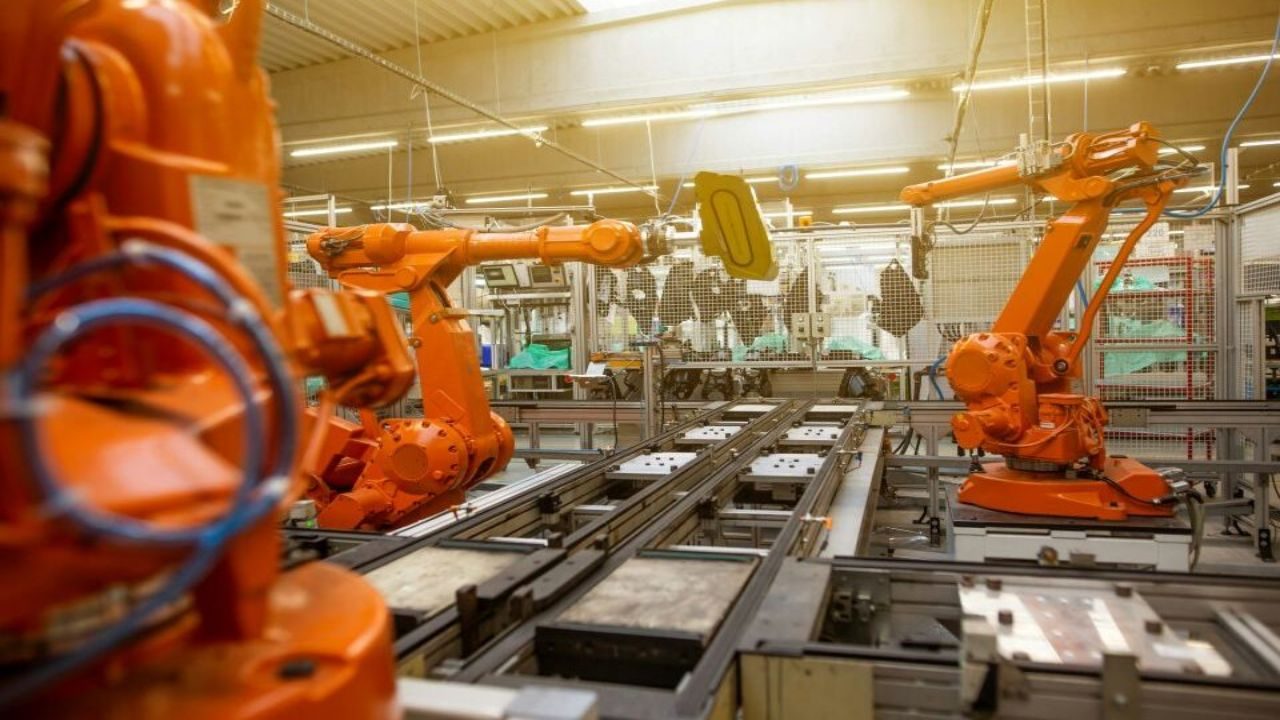
A facility plan should flow from the process plan. Start by mapping the steps from receiving to shipping, including storage, kitting, assembly, testing, rework, and packaging. Then design the layout to reduce travel, handoffs, and confusion. Physical flow often matters more than square footage. A smaller space with a clean flow can outperform a larger space with chaos.
Equipment selection should match the maturity stage. Early production often benefits from flexible tools that support iteration, even if cycle time is slower. As demand stabilizes, invest in dedicated fixtures, automation, or specialized machines that reduce variability and labor cost. Buying expensive equipment too early can lock the business into a process that the design soon outgrows. Waiting too long can create labor bottlenecks and inconsistent quality.
Staffing also needs planning, not hope. Define roles that protect output and quality: a production lead, a quality owner, a maintenance plan, and someone accountable for documentation and training. Cross-train operators so absenteeism does not halt the line. Simple work instructions, clear visual aids, and repeatable checklists create stability faster than heroic effort.
Treat Quality, Compliance, and Safety as Production Tools
Quality planning should start with a clear definition of what good looks like. Build a control plan that links product requirements to inspection points and test methods. Decide where to measure and why, then choose gauges and fixtures that operators can use consistently. A quality system should prevent defects, not just catch them at the end. Early investments in incoming inspection and process checks often pay back through lower scrap and fewer customer complaints.
Compliance can shape design and production choices more than many founders expect. Products may require labeling rules, safety standards, environmental requirements, or industry certifications. Planning should identify relevant standards early, then map them to design requirements, test plans, and documentation. If the product touches regulated areas like medical, aerospace, automotive, food contact, or children’s products, align the plan with those expectations from the beginning. Retrofits cost more than early alignment.
Risk management belongs on the floor. Build simple habits that reduce surprises: track nonconformances, record root causes, and close corrective actions with dates and owners. Run failure mode reviews on the design and the process. Protect workers with clear safety procedures, proper guarding, and training that matches actual tasks. A safe, stable line produces better quality and lower turnover.
Plan the Launch and Ramp Like a Controlled Experiment
The first production run should aim for learning and stability, not maximum volume. Define a pilot build with clear goals: verify yields, confirm assembly time, validate test coverage, and prove packaging survives shipping. Capture data at each step and treat problems as signals, not setbacks. A ramp plan built on real cycle times and real defect rates beats a plan built on optimism.
Create a feedback loop between customers and production. Track returns, complaints, and performance in the field, then connect that data to specific lots, suppliers, and process settings. That traceability helps the business respond quickly and protects the brand. Even a small manufacturing startup can run disciplined traceability with lot codes, controlled revisions, and clear records.
Finally, build continuous improvement into the culture from day one. Set weekly routines to review quality trends, downtime, scrap, and customer feedback. Make small changes and verify results. Over time, those small wins compound into faster throughput, stronger margins, and fewer surprises. That is how an idea becomes a production system that stays reliable as demand grows.