


A Web Application Firewall (WAF) is a critical component in securing web applications from a variety of cyber threats. As more businesses rely on web applications to deliver services and interact with customers, understanding the role of WAFs has become more important than ever.
How WAFs Work?
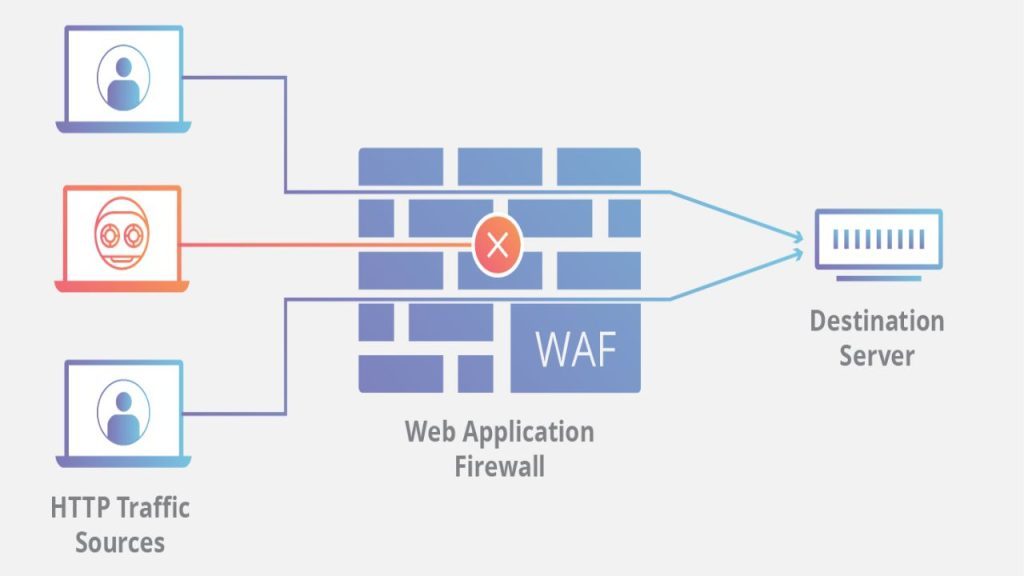
Unlike traditional firewalls, such as Meraki firewalls, that protect the perimeter of a network, a WAF specifically safeguards web applications by monitoring, filtering, and blocking malicious traffic to and from the web application. WAFs function by inspecting incoming HTTP/HTTPS requests and filtering out potentially harmful content. They use a set of rules, known as policies, to identify and mitigate attacks such as SQL injection, cross-site scripting (XSS), and other vulnerabilities commonly exploited by hackers.
These rules can be customized to suit the specific needs of an application, making WAFs a flexible solution for enhancing security. By acting as a shield between the internet and web servers, WAFs prevent unauthorized access and ensure that only legitimate traffic reaches the application.
Benefits of Using a WAF
One of the primary benefits of using a WAF is its ability to protect against a wide range of attack vectors. It provides an additional layer of security that works in conjunction with other security measures like intrusion prevention systems (IPS) and anti-malware tools. WAFs also offer real-time protection, immediately blocking malicious traffic as it is detected. This real-time capability is particularly valuable in preventing data breaches and maintaining the integrity of sensitive information.
Different Types of WAFs
WAFs come in various forms, including network-based, host-based, and cloud-based solutions. Network-based WAFs are typically hardware appliances installed within the network infrastructure. Host-based WAFs are software applications that run on the web server itself. Cloud-based WAFs, on the other hand, are hosted by a third-party provider and offer ease of deployment and scalability. Each type has its own advantages and is suited to different environments and security needs. For instance, cloud-based WAFs are ideal for organizations that prefer not to manage hardware and want a solution that can easily scale with their web traffic.
Common Threats Mitigated by WAFs
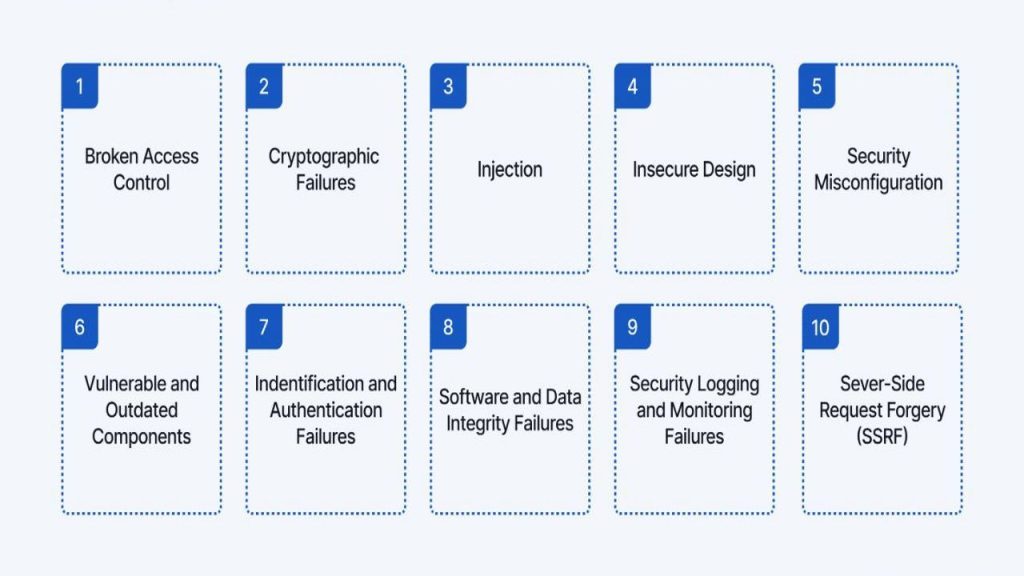
WAFs are designed to defend against a multitude of web application attacks. SQL injection is a prominent threat where attackers insert malicious SQL code into web forms to manipulate the database. WAFs can detect and block such attempts. Cross-site scripting (XSS) involves injecting malicious scripts into web pages viewed by other users. A WAF can filter out these scripts, protecting users from being exploited. Other common threats include remote file inclusion, directory traversal, and cross-site request forgery (CSRF). By mitigating these threats, WAFs help maintain the availability, confidentiality, and integrity of web applications.
Choosing the Right WAF for Your Needs
Selecting the appropriate WAF depends on several factors, including the specific security requirements of your web applications, the type of web traffic you expect, and your budget. It’s important to evaluate whether a network-based, host-based, or cloud-based WAF fits your infrastructure and operational needs. Additionally, consider the ease of management, reporting capabilities, and the level of customer support provided by the WAF vendor.
In conclusion, a Web Application Firewall is a vital tool in protecting web applications from cyber threats. By understanding how WAFs work, recognizing their benefits, and choosing the right type for your needs, you can significantly improve the security of your web applications and safeguard your digital assets.