


Lead generation looks simple from the outside. Publish content. Run ads. Post on social media. Add a form. Then leads roll in. In practice, many teams do all the “right” activities and still end up with empty pipelines, bloated costs, and sales reps chasing contacts that never had intent to buy.
The problem usually is not effort. It is direction. Lead generation fails when strategy, measurement, messaging, and follow-up do not line up. Fixing it takes honest diagnosis and a tighter operating system. One built around clear offers, clean data, fast feedback loops, and a handoff sales can trust.
Losing Leads In The Middle Of The Funnel
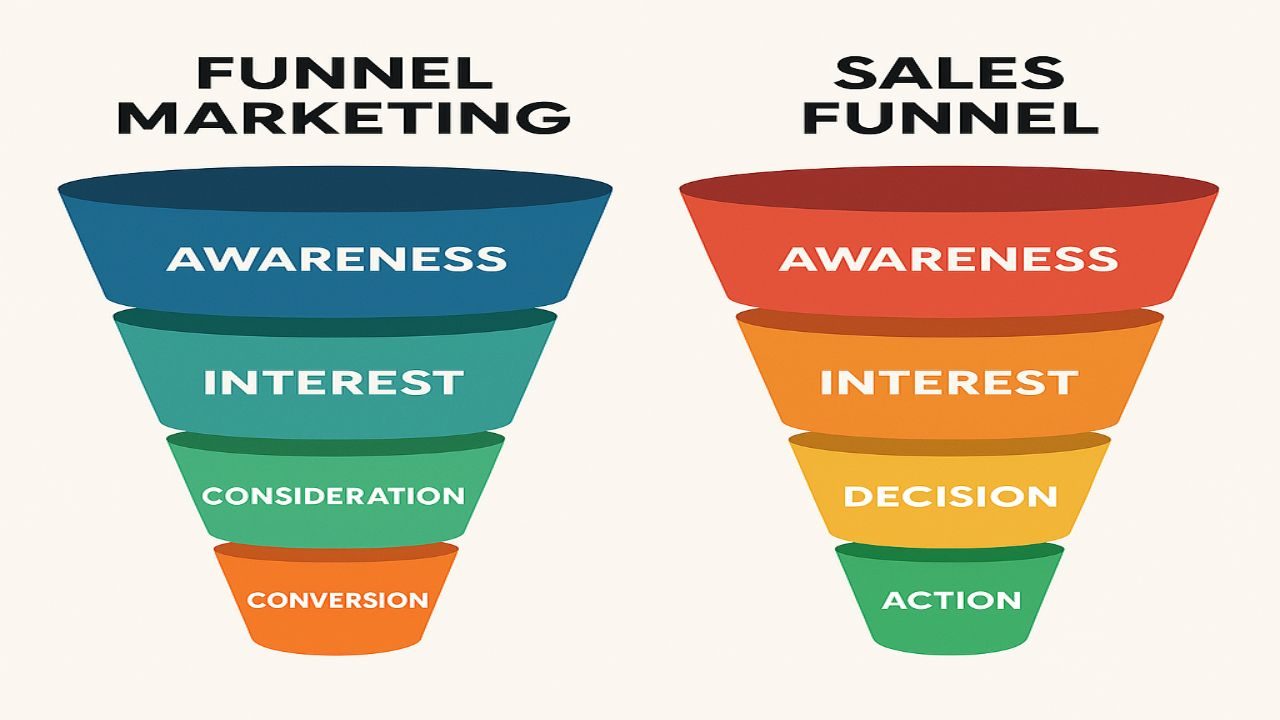
Many businesses focus heavily on getting the first click, then neglect what happens next. They spend on traffic but send it to a generic homepage, a cluttered services page, or a form that feels like an interrogation. Even worse, they capture a lead and then respond slowly, with a vague email that offers no clear next step. That is where pipelines quietly die.
In this section, the easiest win often comes from a simple “path” audit. Take your best performing traffic source and follow it like a prospect would. Click the ad. Read the page. Try the form. Check the thank you message. Review the first email. Then ask a blunt question: does this feel like a confident, guided experience, or a maze. For many teams, a few changes can unlock immediate lift, including a single focused landing page per offer and one clear call to action. If the page needs a credibility anchor, add a short proof block and a tight FAQ. If the page needs a smoother next step, consider a scheduling option or a short qualifier form. If you want prospects to learn more before raising their hand, point them to a targeted resource, like “visit company,” in a way that supports the offer instead of distracting from it.
The fix goes deeper than pages, though. Lead capture must connect to a follow-up system that matches how people buy. That means a fast first response, a useful second touch, and a reason to keep engaging. Not a spray of generic nurture emails. Build follow-up around the buyer’s next question. If the offer is a consultation, send a short email that sets expectations and shares a relevant case result. If the offer is a guide, follow with a one page checklist that helps them apply it. Your goal is to turn curiosity into progress.
Mistaking Activity For Strategy
A lot of businesses treat lead generation like a to do list. They launch a campaign, publish a few blog posts, add a downloadable guide, and hope volume solves the problem. That approach creates motion, but not momentum. Without a clear target, each channel pulls in a different direction and the funnel becomes a patchwork of disconnected tactics.
Strong lead generation starts with choices. Who is the ideal customer, in plain language. What pain point is urgent right now. What offer reduces risk for the buyer and earns a response. When those inputs are fuzzy, every channel performs worse. Ads get broad clicks. Content ranks for the wrong searches. Sales calls feel random because the lead came in for “something,” but no one can say what exactly.
The fix is to define a small set of campaigns tied to one buyer problem at a time. Build a simple message map: problem, impact, desired outcome, proof, next step. Then run every asset through that filter. If a landing page, email, or ad does not reinforce the same core promise, it is noise. Cut it or rewrite it.
Targeting Everyone And Reaching No One
Broad targeting creates broad results. That usually means low intent leads, confusing conversations, and wasted sales time. Teams often default to “anyone who could buy” because it feels safer. But the wider you cast the net, the more your message has to be watered down. And watered down messaging rarely earns action.
The fix is segmentation that supports the buying decision. Segment by problem, not by vanity demographics. A CFO, a VP of Marketing, and a founder might share the same pain point, but their objections differ. Build segments around intent signals and triggers. Examples include: “hiring to scale,” “switching vendors,” “compliance pressure,” “pipeline gap,” or “product launch.” Then tailor the offer and the landing page to that trigger.
You can keep it simple. Start with two or three high value segments and create one campaign per segment. Each campaign gets its own promise, proof, and CTA. Over time, your data becomes cleaner because leads tell you why they came in. Sales calls improve because reps know the context. Your cost per qualified lead drops because the message repels the wrong fit and attracts the right one.
Measuring The Wrong Things And Missing The Truth

Many businesses rely on surface metrics: clicks, impressions, form fills, and cost per lead. Those numbers can look healthy while revenue stays flat. A cheap lead is not a good lead if it never becomes a sales conversation, never moves to proposal, or never closes. When reporting stops at the top of the funnel, teams optimize for volume instead of value.
The fix is to connect marketing actions to sales outcomes, using shared definitions. Start by defining “qualified” in a way both teams accept. Not a vague “good fit,” but observable criteria: company size range, role, problem, urgency, budget bands, and a clear next step. Then track conversion rates across the funnel: lead to meeting, meeting to opportunity, opportunity to close. Even a basic spreadsheet can reveal where the real leak is.
Also watch time, not just totals. Speed to first response, time between touches, and time from lead to meeting often predict success better than raw lead counts. If you tighten response time and improve the first two follow-ups, you may see meeting rates jump without buying more traffic. Measurement should not be a scoreboard. It should be a diagnostic tool.
Weak Offers And Unclear Value
A common failure point is the offer itself. Many businesses promote “free consultation” or “contact us” as the main CTA. That can work when the brand is well known or the need is urgent. For everyone else, it feels like a commitment with unclear upside. Prospects hesitate because they cannot picture the benefit of saying yes.
The fix is to package value into the next step. Instead of asking for a call, offer a specific outcome. Examples: “15 minute pipeline teardown,” “SEO keyword gap review,” “CRM tracking checkup,” “30 minute onboarding plan,” or “proposal review.” The key is specificity and credibility. Make the deliverable clear, keep it bounded, and show proof that your team can deliver.
Then sharpen the value language. Replace broad claims with concrete outcomes and constraints. Mention what you will review, what the prospect will leave with, and who it is for. If the offer is a guide, it should solve one problem, fast. If the offer is a call, it should promise a clear diagnosis and next steps. A strong offer reduces uncertainty and makes the decision easy.
Poor Follow-Up Discipline And Sales Alignment
Lead generation does not end at the form submitted. Many businesses lose more revenue from weak follow-up than from weak traffic. Some teams respond days later. Others send a single email and stop. Some sales teams treat inbound leads as low priority, then blame marketing when the leads go cold. This is less a marketing problem and more an operating problem.
The fix starts with a shared service level agreement. Define response time targets, number of touchpoints, and ownership. For example: respond within 5 minutes during business hours, attempt contact five times over ten days, and route specific segments to specific reps. Then give reps tools that make follow-up easier: short scripts, fast personalization cues, and context from the lead source.
Finally, close the loop with regular reviews. Pick five recent leads together and audit what happened. Did the lead match the target segment? Did the landing page match the message? Did the first follow-up add value? Did the call address the right problem. This kind of review fixes the system faster than debating opinions. When marketing and sales work from the same evidence, the pipeline stops feeling like a mystery and starts feeling manageable.